
Managing Tooth Wear Due to Grinding and Clenching
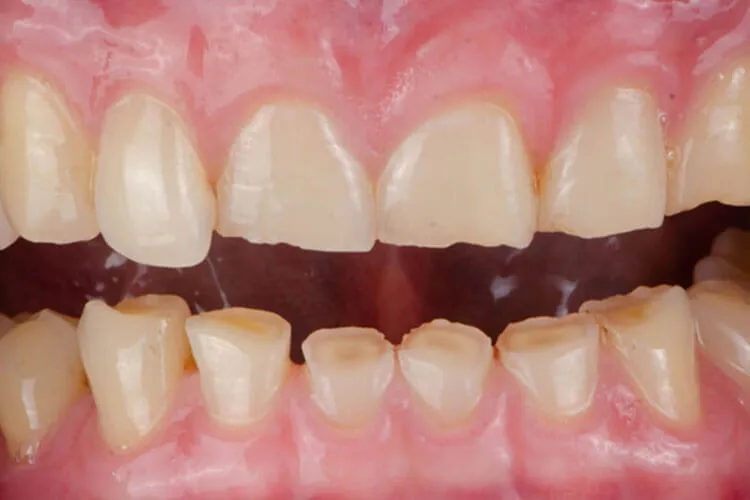
A beautiful smile isn’t just about having straight, white teeth—it’s also about preserving the strength and structure of your dentition. Unfortunately, many people are unconsciously damaging their smiles every single night.
Teeth grinding and clenching, medically known as bruxism, is a incredibly common condition that affects millions of adults. Because it most frequently occurs during sleep, many patients have no idea they are doing it until significant dental issues begin to surface.
If left unmanaged, the constant, intense pressure from grinding can lead to severe tooth wear, fractures, and chronic pain. The good news is that recognizing the signs early can save your smile from irreversible damage.
Hidden Signs of Teeth Grinding and Clenching
How do you know if you are grinding your teeth while you sleep? Since you aren’t awake to catch yourself, you have to look for the physical warning signs your body leaves behind.
During a routine comprehensive dental examination, Dr. Suh can easily identify the telltale markers of bruxism. However, you might also notice some of these symptoms on your own:
- Worn or Flattened Surfaces: Your teeth may begin to look shorter, or the naturally pointed edges of your canines and molars may appear completely flat.
- Tooth Sensitivity: As the protective outer layer of enamel wears away, the sensitive inner layer (dentin) becomes exposed, causing discomfort when consuming hot, cold, or sweet items.
- Micro-cracks and Fractures: The continuous pressure can cause tiny, invisible fractures in the enamel, making your teeth highly susceptible to breaking under normal chewing forces.
- Morning Headaches and Jaw Pain: Waking up with a dull headache, sore facial muscles, or tightness in your jaw is a classic sign that your jaw has been working overtime all night.
- TMJ Disorder: Long-term, unmanaged grinding can irritate the temporomandibular joint (TMJ), leading to a clicking or popping sound when you open your mouth, or even a locked jaw.
The Critical Connection: Sleep Apnea and Bruxism
Recent sleep medicine studies have highlighted a strong link between bruxism and sleep disorders, particularly Obstructive Sleep Apnea (OSA).
When a person experiences sleep apnea, their airway collapses, momentarily cutting off oxygen. In response, the brain triggers a survival reflex, forcing the jaw muscles to clench and grind to keep the airway open.
If you use a CPAP machine to manage sleep apnea, it is highly common to still experience underlying bruxism. While the CPAP successfully delivers air to your lungs, your teeth may still require direct physical protection from the immense forces of clenching.
How a Custom Night Guard Protects Your Smile
The most effective, non-invasive way to manage tooth wear from grinding is a custom-fitted night guard (or occlusal guard).
While over-the-counter, boil-and-bite mouthguards are available at pharmacies, they are often bulky, ill-fitting, and can actually worsen jaw pain or interfere with your breathing. A professional night guard fabricated at D'Art Dental is custom-molded to your unique bite.
A custom night guard works by creating a durable, smooth barrier between your upper and lower teeth. Instead of your enamel grinding against enamel, the guard absorbs the force of the clenching. This completely prevents uneven wear, protects previous dental work (like crowns or fillings), and unloads the pressure from your jaw joints and muscles.
Furthermore, if you currently use a CPAP, a slim, custom-made guard can easily be worn simultaneously without breaking the seal of your CPAP mask or restricting your breathing.
Holistic Approaches to Managing Bruxism
While a night guard protects your teeth from immediate damage, addressing the root cause of the grinding can provide long-term relief. Dr. Suh evaluates each patient individually to discuss a comprehensive treatment approach:
- Stress Management: Since stress and anxiety are primary triggers for daytime and nighttime clenching, incorporating relaxation techniques, meditation, or light stretching before bed can drastically reduce jaw tension.
- Correcting Misalignments with Invisalign: If your teeth do not fit together correctly, your jaw muscles may naturally grind to find a comfortable resting position. Correcting your alignment using clear aligners like Invisalign can evenly distribute your biting forces and minimize bruxism.
Protect Your Teeth Early Save Time and Money
It is far easier and much more cost-effective to prevent tooth wear today than it is to rebuild broken down teeth tomorrow. Waiting until a tooth cracks or suffers severe nerve damage could mean needing extensive root canals, crowns, or even extractions.
If you suspect you are grinding your teeth, or if it has been a while since your last comprehensive checkup, we are here to help.
Call our D'Art Dental office in Plano, TX today at (972) 424-8023 to schedule a cleaning and evaluation with Dr. Suh. Let's work together to protect your smile for a lifetime.
Ready for a brighter smile?
A healthier smile leads to a happier life. Our team provides personalized care to keep your teeth strong and your smile radiant.